How Sports Socks Are Manufactured: Complete Socks Production Process Guide

Close-up of athletic socks on a runner on the track
Sports socks may look simple, but manufacturing high-performance athletic socks involves advanced knitting technology, premium yarn selection, strict quality control, and professional customization processes.
Table of Contents
Why Sports Socks Manufacturing Is Different
Unlike regular socks, sports socks are engineered for athletic performance. Manufacturers must balance cushioning, breathability, compression support, moisture management, and durability.
- Moisture Wicking: Keeping feet dry during intense activity.
- Compression Support: Improving blood flow and reducing muscle fatigue.
- Arch Stability: Ensuring the sock stays in place during multi-directional movements.
- Impact Cushioning: Reducing shock in high-impact areas like the heel and ball of the foot.
- Breathable Mesh Zones: Strategically placed panels to increase airflow.
Step 1: Material Selection

The manufacturing process starts with selecting the right materials. The choice of yarn directly impacts the comfort, durability, and performance of the final product.
| Material | Main Benefit |
|---|---|
| Polyester | Moisture Wicking |
| Nylon | Durability |
| Spandex | Elasticity |
| Cotton | Soft Comfort |
Step 2: Design & Development

Professional technical specifications and design development process
Before production begins, the custom socks manufacturer creates technical specifications including logo placement, sock height, colors, materials, and performance features. This stage ensures that the vision of the brand is perfectly translated into a manufacturable design.
Step 3: Computerized Knitting

Modern computerized knitting machines produce precise sports sock structures, including compression zones, mesh ventilation, and terry cushioning. The machines are programmed with specific patterns to ensure consistency across thousands of pairs.
Step 4: Toe Linking

Specialized linking machines ensuring seamless comfort
After knitting, the toe area is closed using specialized linking machines. Seamless linking is a hallmark of high-quality sports socks, as it improves comfort and reduces friction that can cause blisters during athletic activities.
Step 5: Silicone Grip Printing

Precision silicone application for maximum anti-slip performance
For grip socks, anti-slip silicone patterns are applied and heat cured to improve traction inside sports shoes. This process requires precision to ensure the silicone provides maximum grip without peeling off over time.
Step 6: Quality Inspection

Each production batch undergoes inspection to ensure consistency in size, color, stitching quality, and logo placement. Our dedicated QC team checks every pair to maintain international quality standards.
Step 7: Packaging

Custom retail packaging and private labeling options
Sports socks are packed using custom labels, hang tags, retail boxes, or private label packaging according to customer requirements. Professional packaging not only protects the product but also enhances the brand's presentation in the retail market.
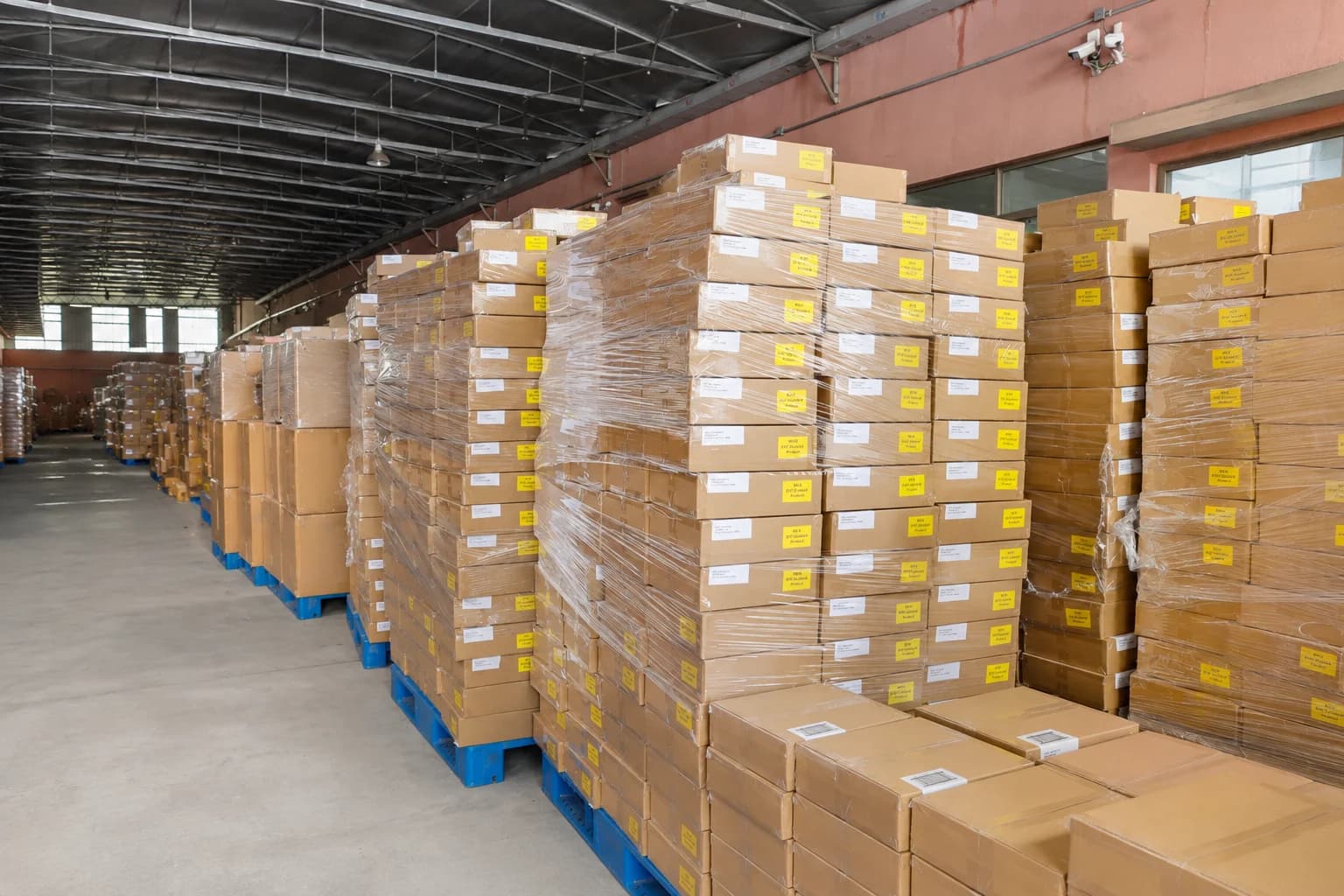
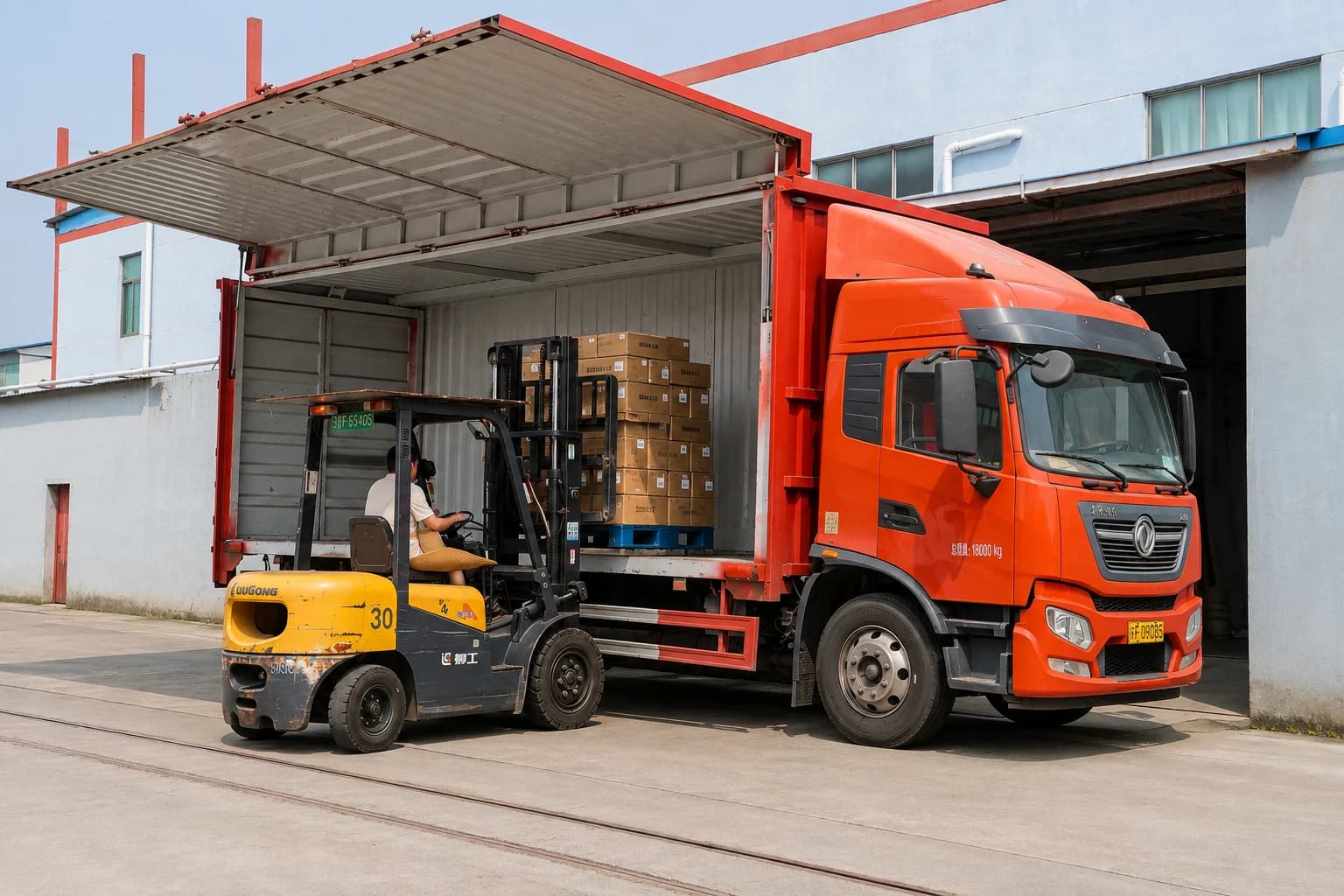
From packed orders to factory dispatch
Factory dispatch reference: carton staging, pallet handling and truck loading. Packing details and the shipping plan are confirmed for each order.
Frequently Asked Questions
How long does sports socks manufacturing take?
What is the materials used in sports socks manufacturing?
Can I customize sports socks with my logo?
What is the MOQ for custom sports socks?
Looking for a Reliable Custom Socks Manufacturer?
PeakMotion provides OEM and private label sports socks manufacturing services for sports brands, retailers, clubs, and distributors worldwide. Review our private label socks manufacturer program for branding and packaging, or see the complete sports socks manufacturing process before preparing a brief.
- ? Factory Direct Pricing
- ? Flexible MOQ
- ? OEM & Private Label Support
- ? Worldwide Shipping