There is no universal custom sock price. Two socks that look similar can have very different manufacturing costs once quantity, yarn, branding, grip, packaging and freight are considered.
For startups and growing brands, understanding the cost structure is more useful than simply asking for the lowest price per pair. A focused first order can reduce inventory risk, while a clearer brief helps suppliers quote the same product specification.
The right question is: What is the most practical quantity and cost route for this exact design, material, logo method, grip and packaging option?
Pricing framework
Five cost drivers to define before requesting a quote.
MOQ and quantity
Smaller production runs usually have a higher unit cost because programming, preparation, inspection and setup are spread across fewer pairs.
Yarn and construction
Yarn composition, sock height, cushioning, mesh, compression, reinforced zones and technical knitting all affect the manufacturing route.
Logo and branding
Jacquard knitting, printing, embroidery, woven labels and silicone branding have different processes, material use and setup requirements.
Grip features
Grip material, coverage, pattern complexity and application method add both material and production steps.
Packaging and freight
Retail packaging, packaging MOQ, carton volume, destination and shipping method all affect the final landed cost.
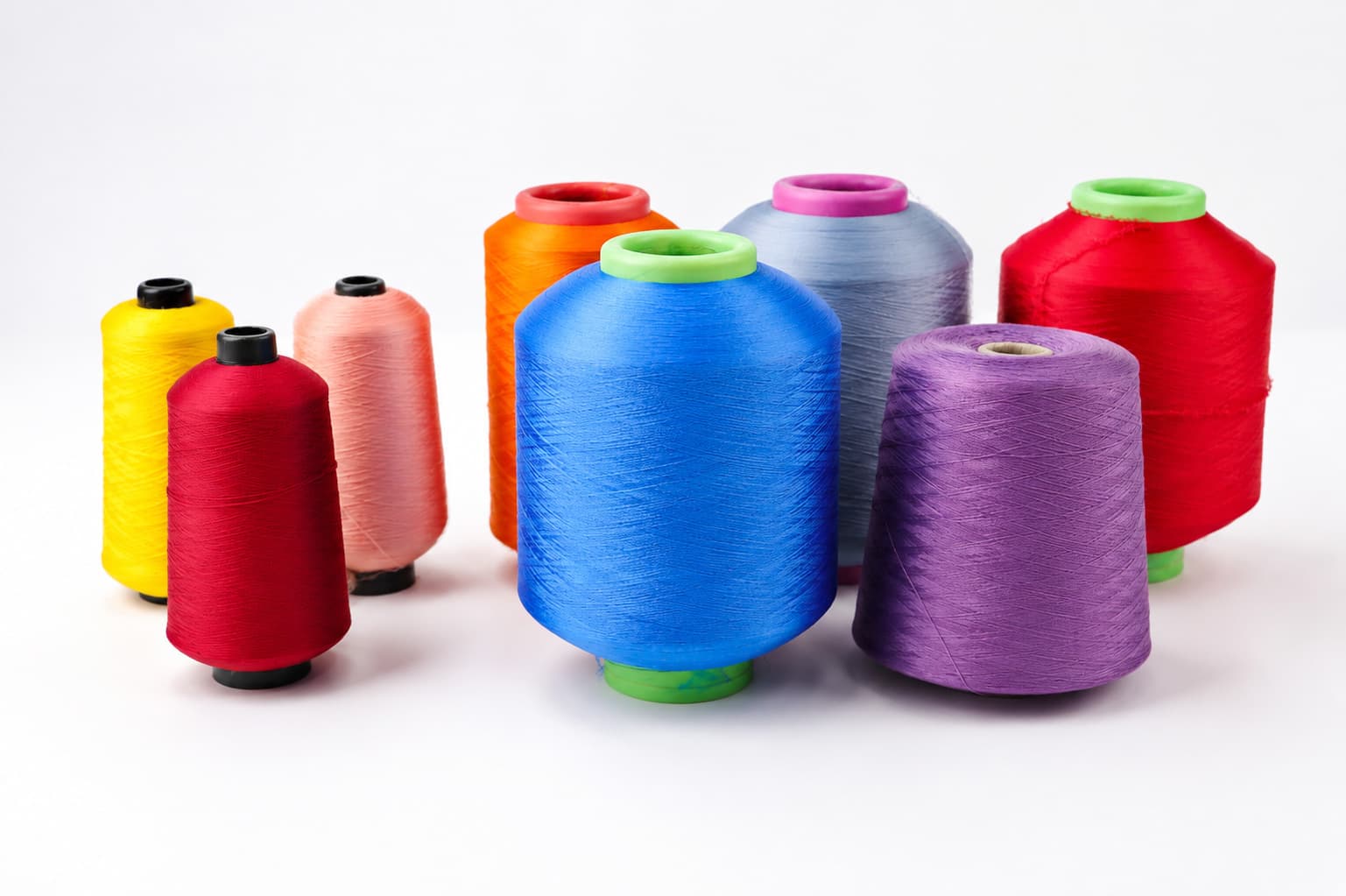
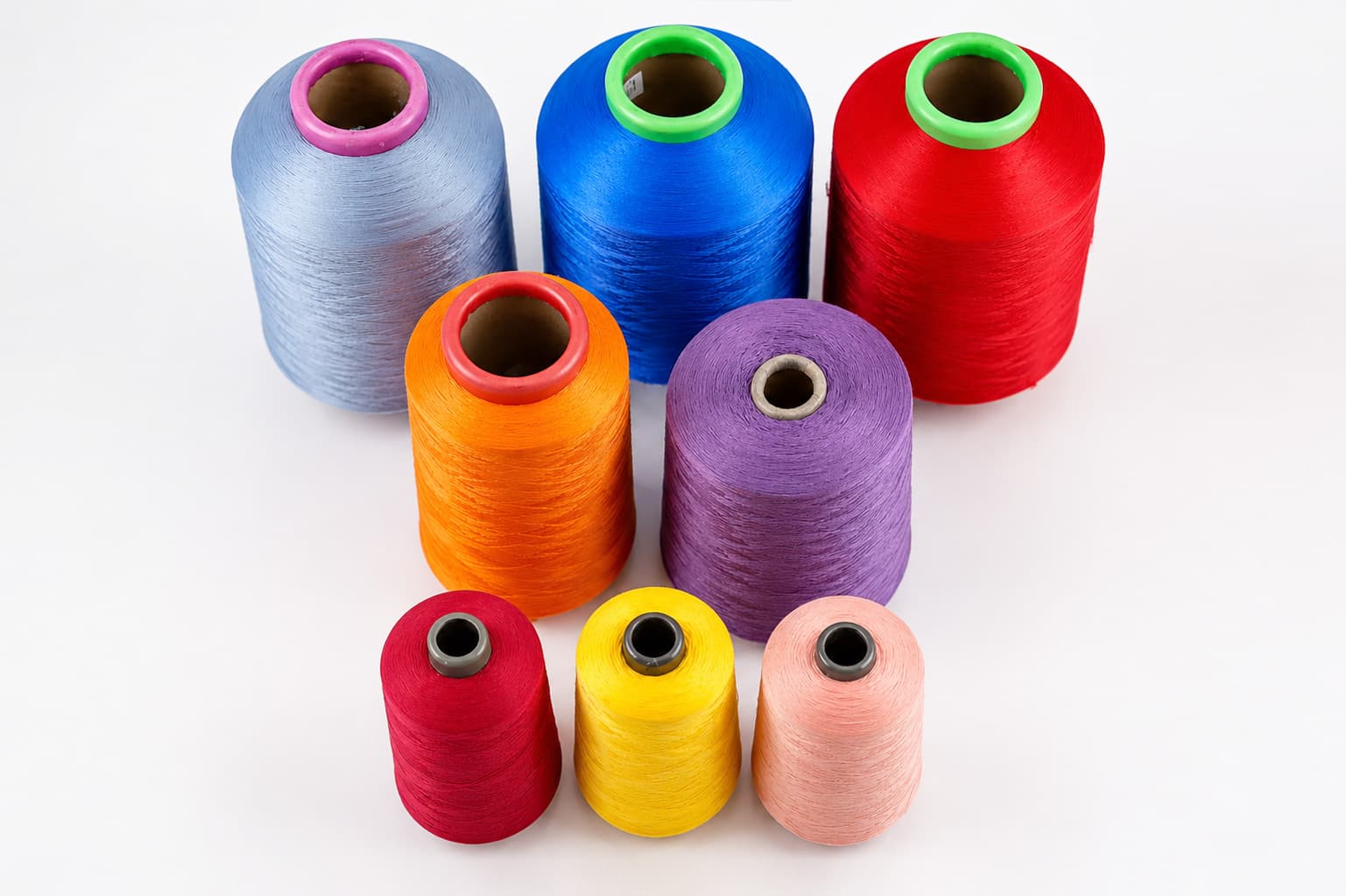
Yarn cost
Yarn selection changes both price and performance.
Cotton, nylon, polyester, performance yarns, elastane and specialty fibers have different costs and functional benefits. The final price also depends on yarn quality, count, color availability and whether custom dyeing is required.
Branding and grip details
Logo and grip choices change the production route.
A simple knitted logo and a detailed multi-color graphic should not be expected to cost the same. The same applies to a standard dot grip versus a custom full-sole pattern. Confirm artwork, placement, color count, coverage and durability needs before comparing prices.
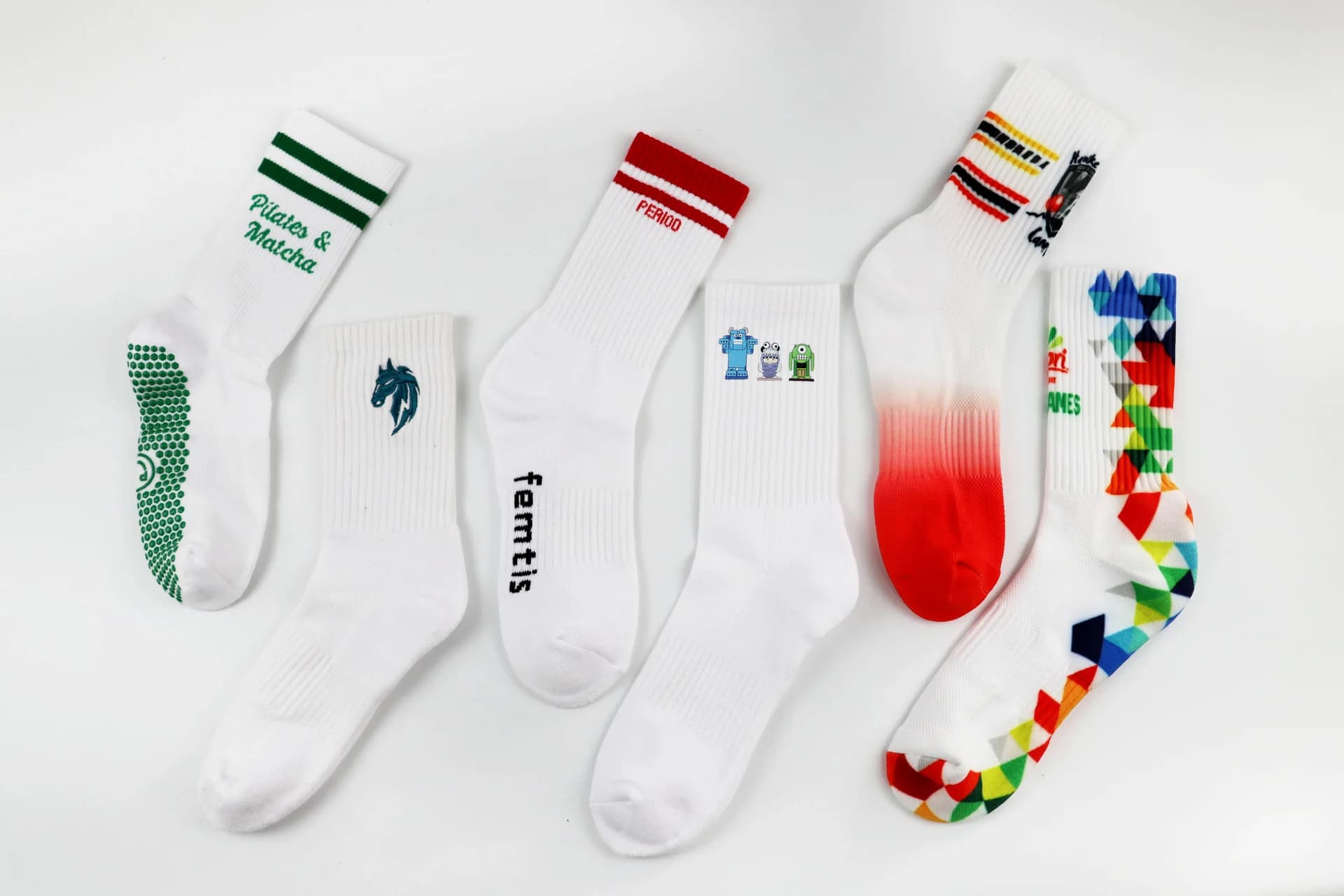
Logo method
Jacquard, printing, embroidery, labels and silicone branding have different technical requirements.
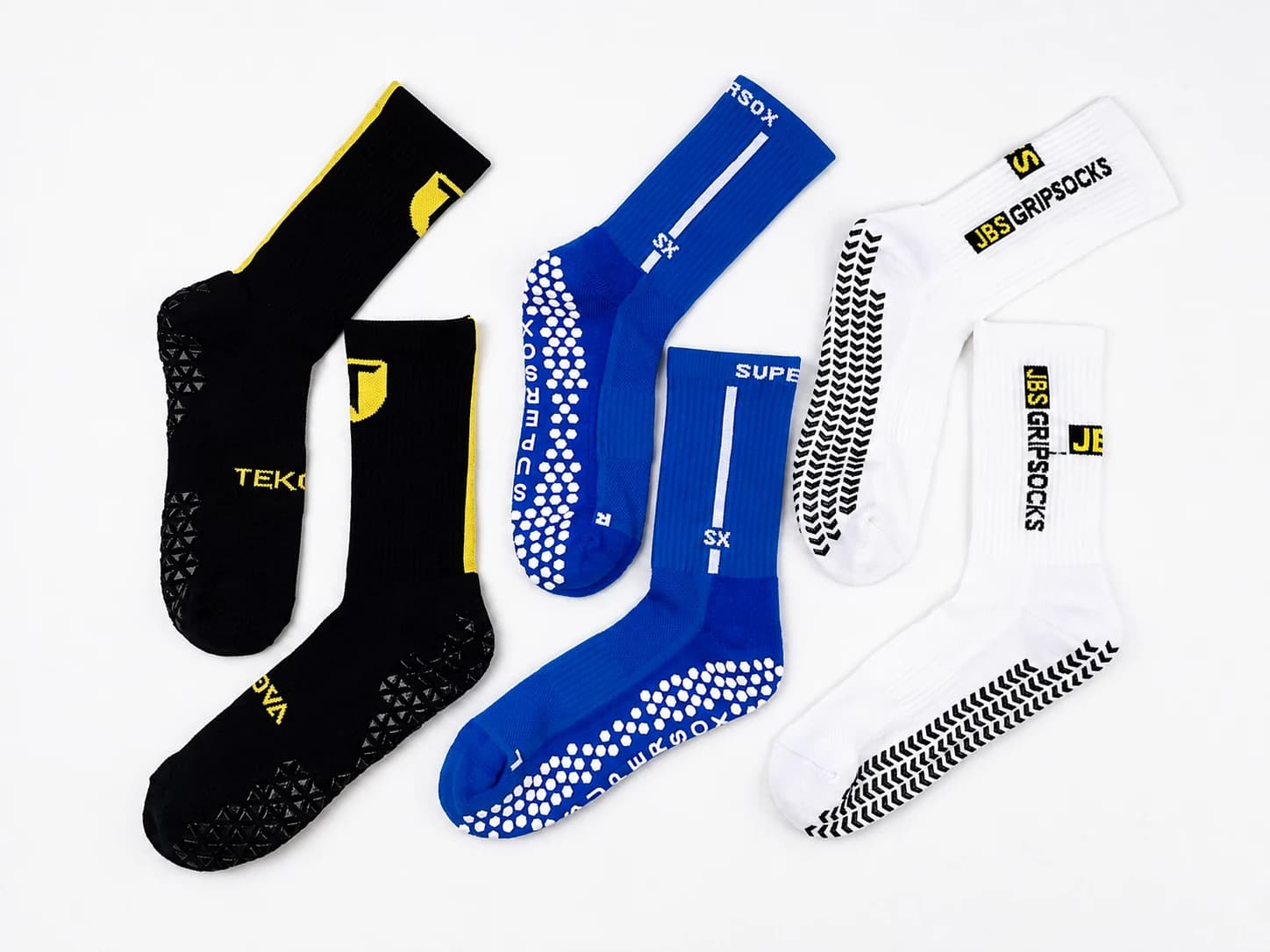
Grip design
Material, coverage, pattern complexity and application method affect both function and cost.
Packaging cost
Packaging is part of the final private label socks cost.
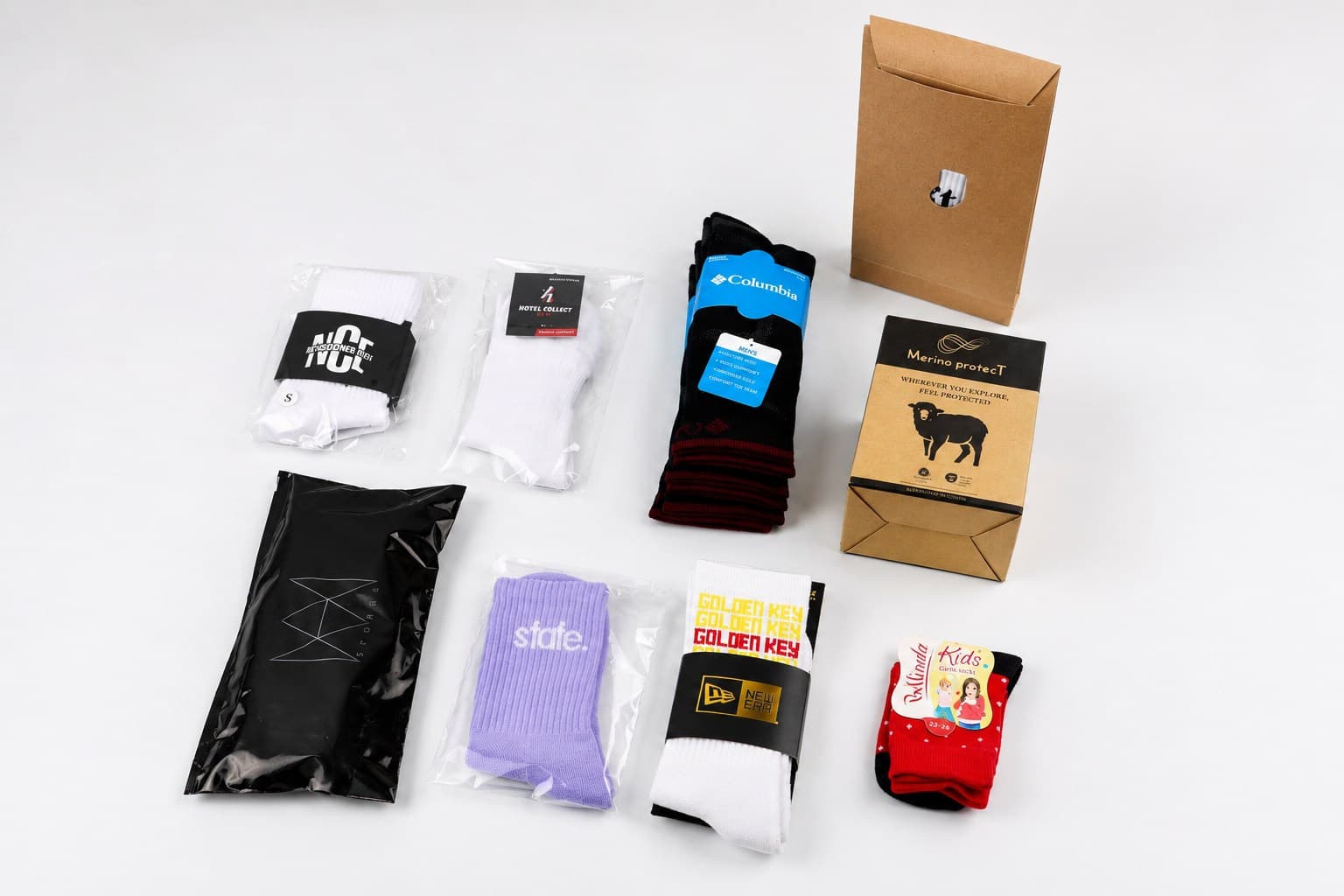
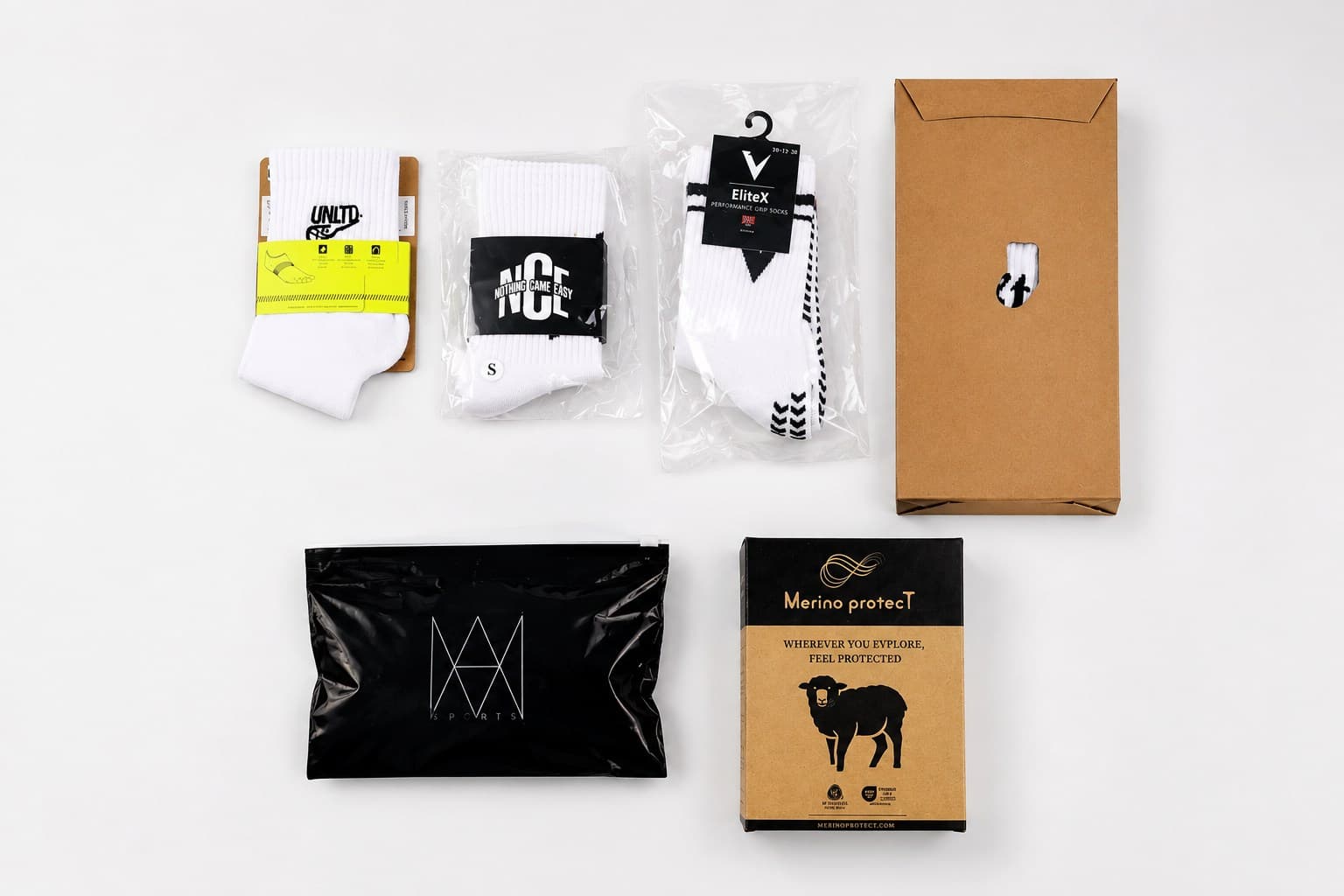
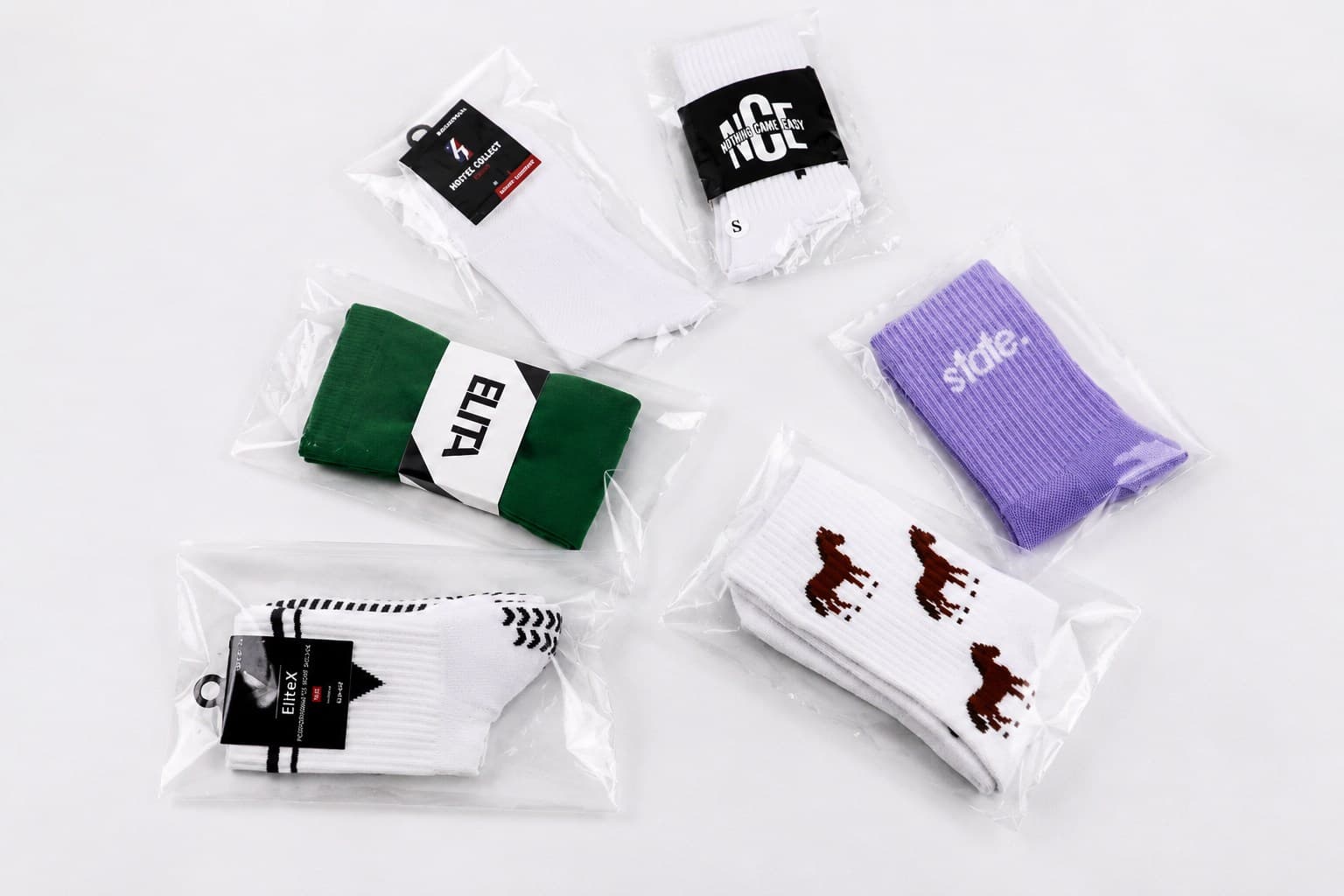
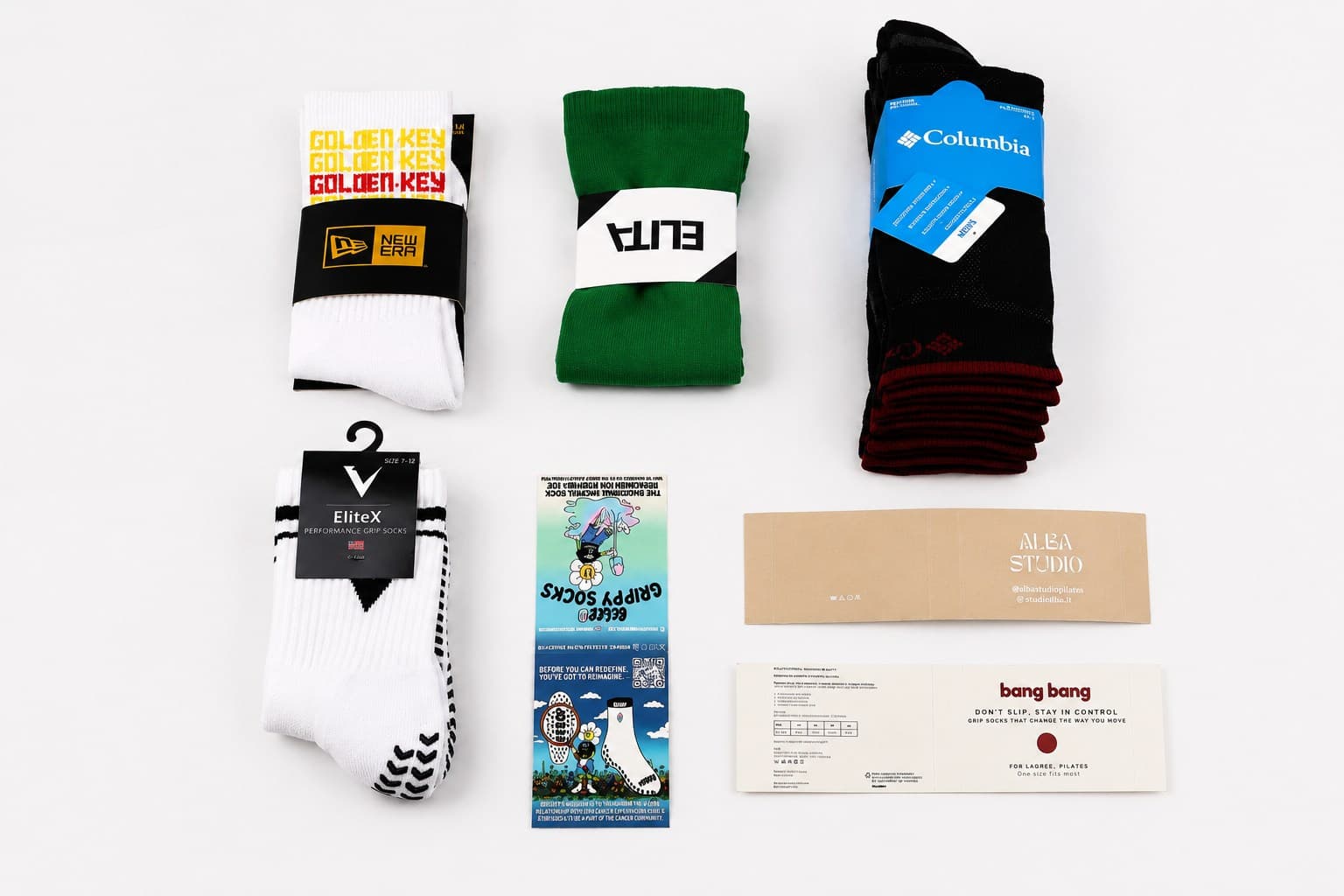
Polybags, paper bands, hang tags, stickers, boxes and barcode labels create different cost and MOQ requirements. A sock factory may support a smaller production run while a custom packaging supplier requires a separate minimum quantity.
Compare like for like
Do not compare suppliers using only price per pair.
A lower quotation can simply mean a different yarn, simpler construction, less grip coverage or a different packaging assumption. Ask every supplier to quote the same specification.
| Cost factor | What to confirm |
|---|---|
| MOQ | Quantity per design, color and size, plus the selected production route. |
| Materials | Yarn composition, yarn quality and any special performance fibers. |
| Customization | Logo method, number of colors, placement and technical construction. |
| Packaging | Packaging type, packaging cost and any separate packaging MOQ. |
| Freight | Carton information, destination, shipping method and estimated landed cost. |
Scalability in practice
Start small. Scale when demand is proven.
A first order can validate the product, presentation and market response. Once the specification is approved, repeat production can scale with much less development risk.
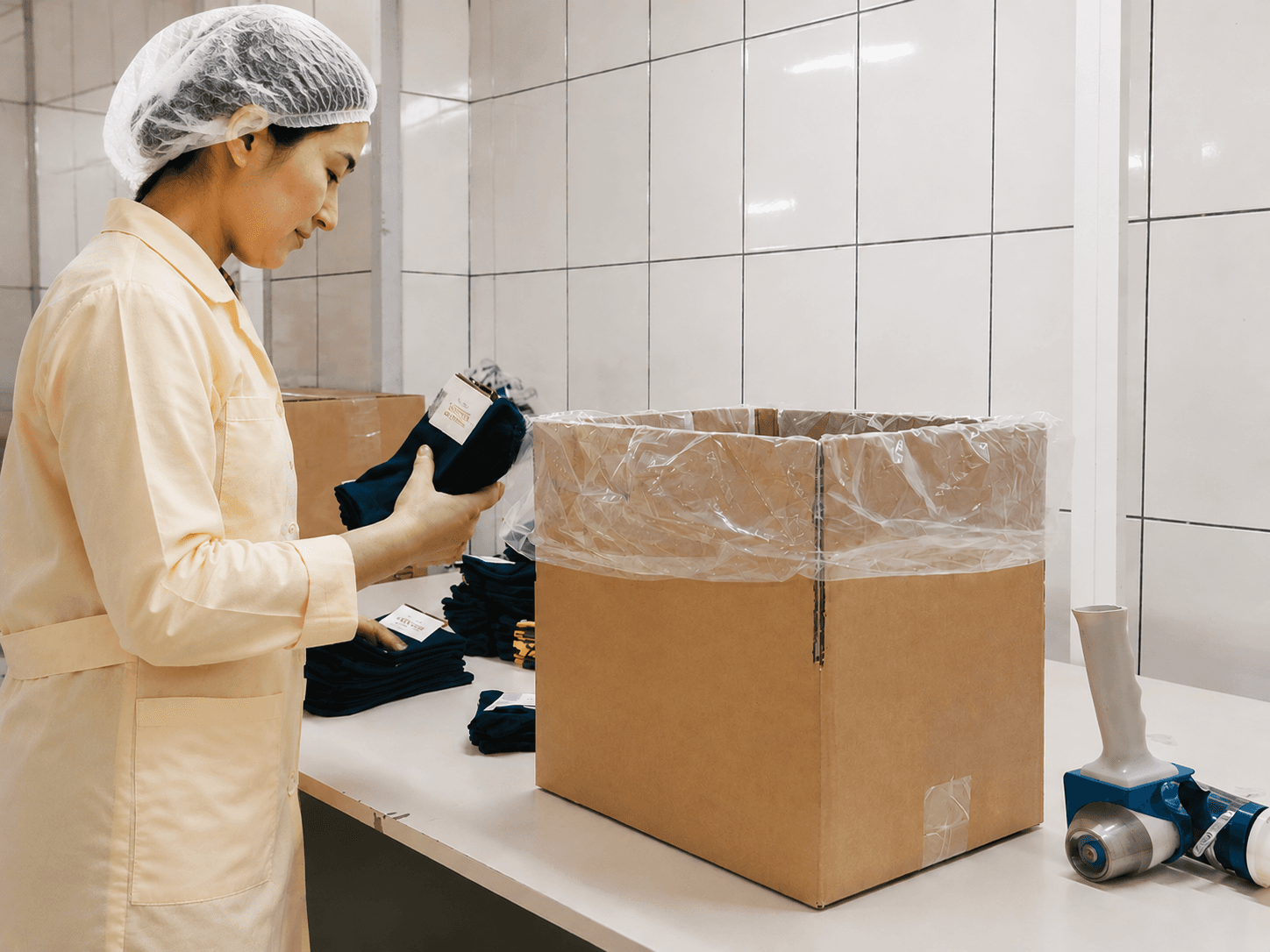
Test the product before holding more inventory.
A smaller first run can be commercially sensible when it helps a brand validate demand and improve the product before scaling.
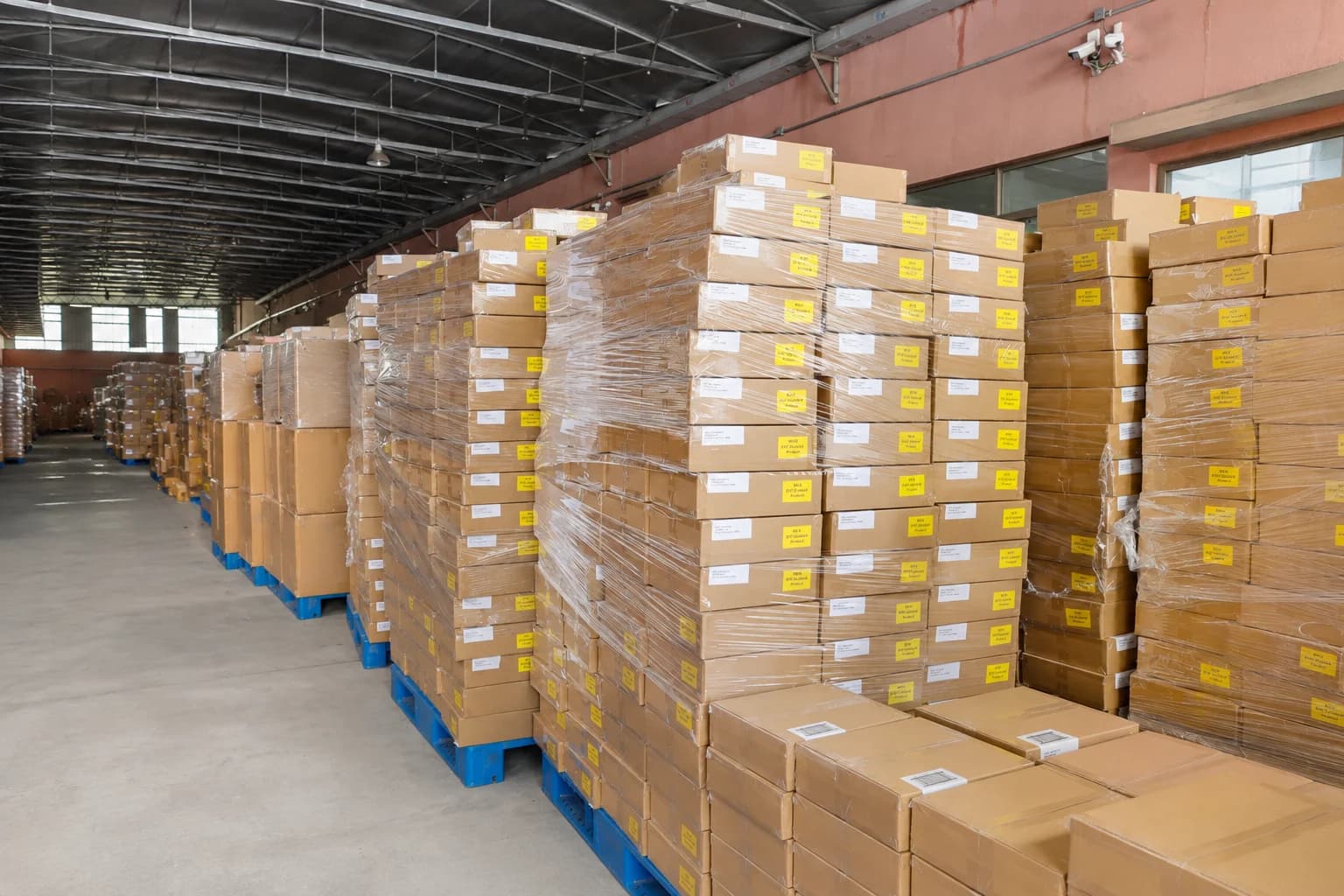
Scale with an approved specification.
Once materials, construction, branding and packing are confirmed, repeat orders can focus on reliable production and shipment.