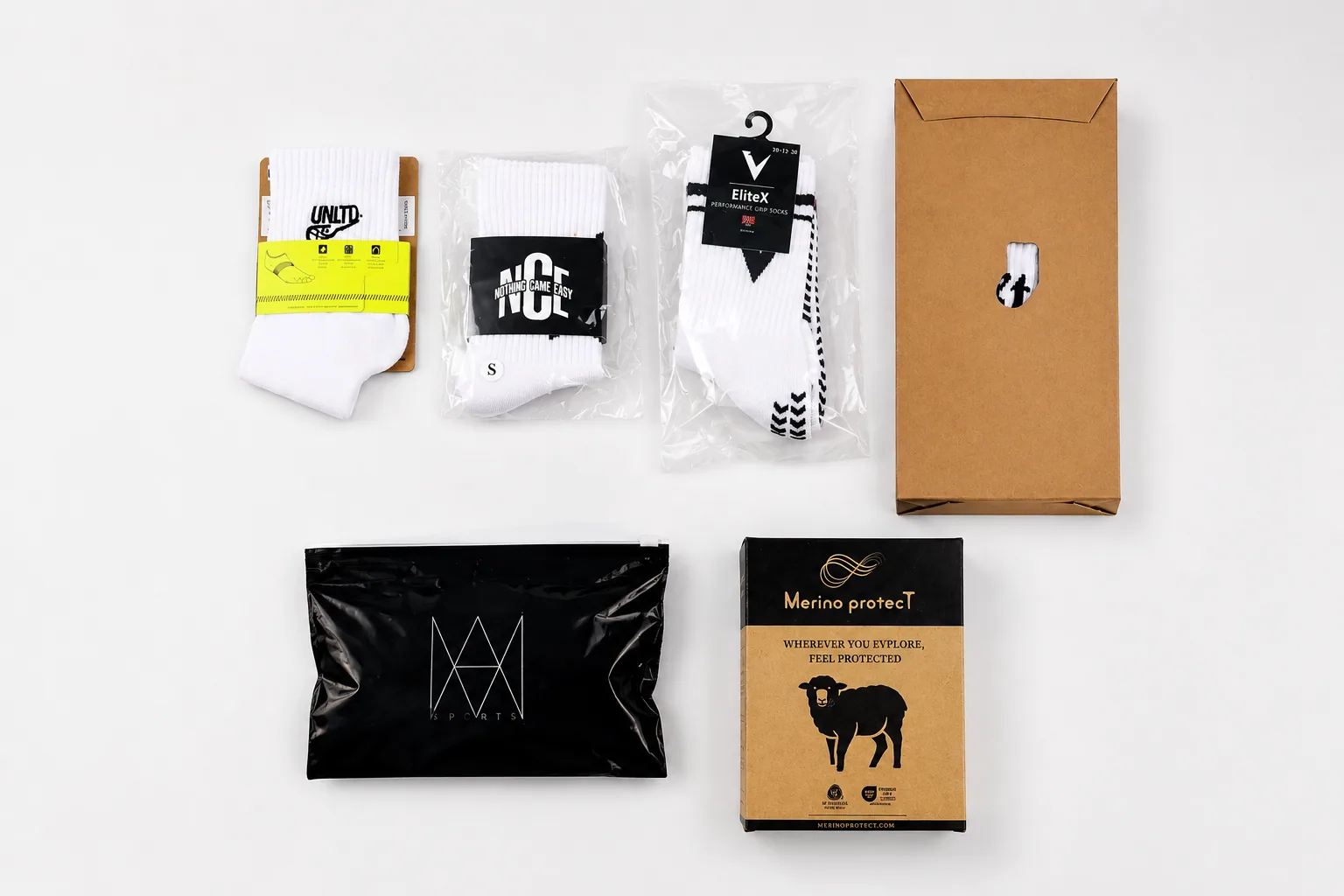
If you are planning a custom sock collection, one of the first questions you will probably ask is:
How long does it take to make custom socks?
For most brands, the answer is not just a single production number.
A realistic custom socks lead time includes several stages: design confirmation, material and color selection, sample development, sample approval, bulk production, quality inspection, packaging, and shipping.
For a straightforward project, the process can move quickly. More customized programs — especially those involving special yarns, multiple sizes, silicone grip patterns, technical constructions, or custom retail packaging — usually require more planning.
At PeakMotion, custom sock sampling is generally planned around 7–15 days, while a typical bulk production cycle may require around 20–30 days after sample approval. More complex sports sock projects can take longer depending on quantity, construction, materials, and packaging requirements.
This guide explains what happens at each stage and how brands can reduce unnecessary delays before placing a bulk order.
Custom Socks Lead Time at a Glance
A typical custom sock project may look like this:
| Stage | Typical Planning Time |
|---|---|
| Product brief & artwork confirmation | 1–3 days |
| Sample development | 7–15 days |
| Sample review & revisions | Depends on feedback |
| Bulk production | Around 20–30 days |
| Quality inspection & packing | Included in or added to production schedule |
| Shipping | Depends on destination and shipping method |
These are planning ranges rather than guaranteed timelines.
The final schedule depends on your sock type, design complexity, materials, quantity, size breakdown, packaging, revision requirements, and shipping destination.
The most important point is this:
Bulk production normally starts only after the final sample and production specifications are approved.
That means delays before approval can affect the entire delivery schedule.
1. Product Brief and Design Confirmation
Before a factory can provide an accurate lead time, it needs a clear product brief.
For custom socks, this usually includes:
- Sock category
- Sock height
- Target market or activity
- Logo artwork
- Knit colors
- Yarn or material preferences
- Cushioning requirements
- Compression level
- Grip design, if applicable
- Size range
- Order quantity
- Packaging requirements
A brand ordering a simple crew sock with one knitted logo will normally require less development than a technical football sock with compression zones, multiple yarns, custom sizing, and retail packaging.
The clearer your brief is at the beginning, the easier it is for the manufacturer to confirm both the sampling route and the expected production schedule.
What can slow this stage down?
Common causes include:
- Low-resolution logo files
- Unconfirmed Pantone or color references
- Changing sock constructions after development starts
- Unclear size requirements
- Multiple packaging concepts
- Waiting for internal approval from several team members
If your launch date matters, prepare these details before requesting the first sample.
2. Custom Sock Sampling: Usually 7–15 Days
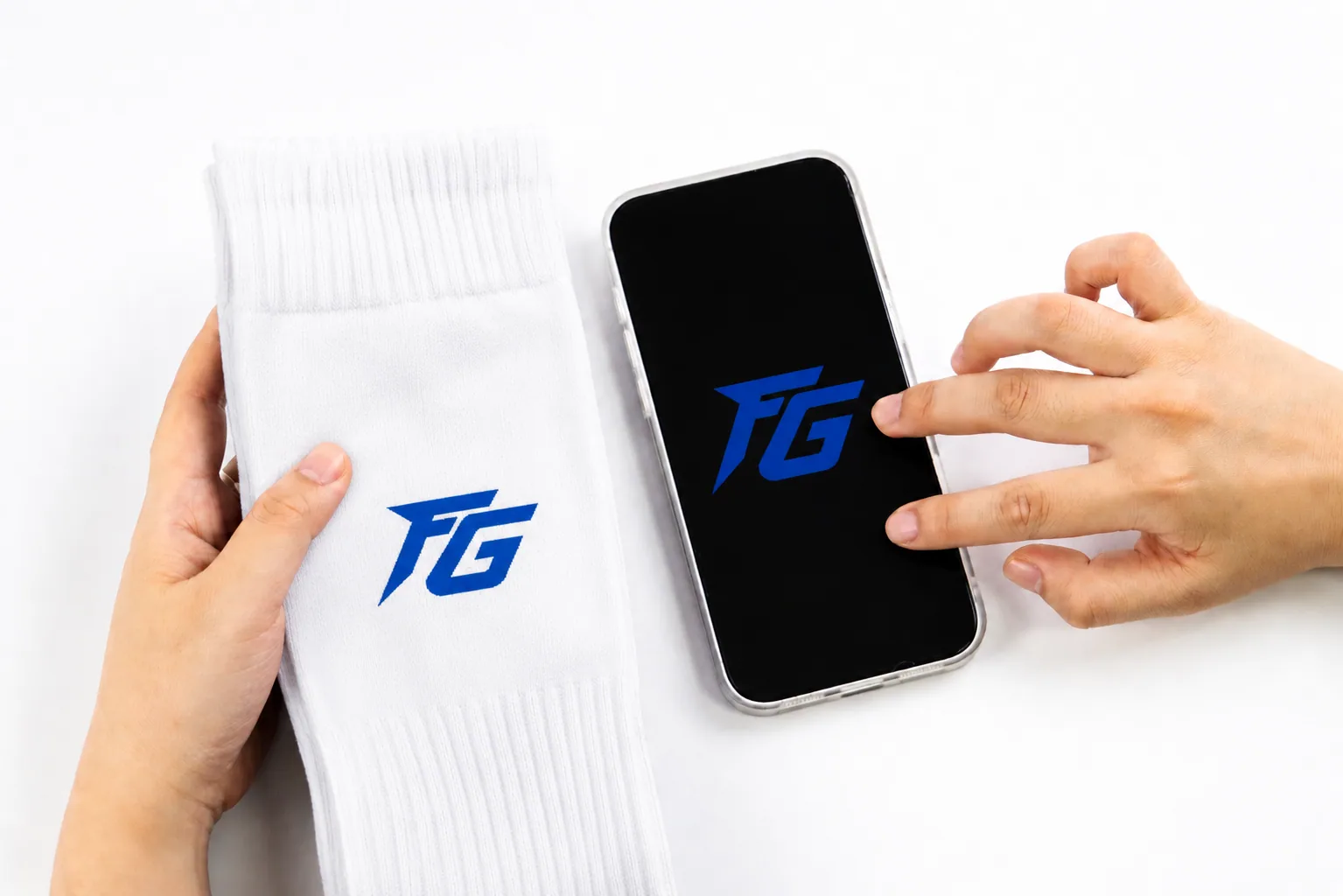
Sampling is one of the most important parts of the custom sock production process.
At PeakMotion, physical sample development is normally planned around 7–15 days, depending on the construction and design complexity.
During this stage, the design is translated into an actual production-ready sock.
The factory may need to prepare:
- Knitting programs
- Yarn colors
- Logo placement
- Sock measurements
- Cushioning zones
- Mesh structures
- Compression areas
- Silicone grip artwork
- Labels or packaging prototypes
A sample gives you the opportunity to evaluate the product before committing to bulk production.
What should you check on a custom sock sample?
Do not review only the logo.
Check the complete product:
Fit and sizing Does the sock fit the intended customer correctly?
Sock height Is the crew, ankle, knee-high, or other length correct?
Logo placement Is the logo positioned correctly when the sock is worn?
Colors Are the yarn colors close to the approved reference?
Comfort Check toe seams, cushioning, stretch, cuff pressure, and overall feel.
Performance features For sports socks, review compression, breathability, grip coverage, cushioning, and stability.
Grip application For grip socks, check the silicone placement, coverage, artwork, and intended traction.
Packaging If you are creating a retail product, confirm how the finished sock will be folded, labeled, paired, and packed.
The goal of sampling is not simply to receive a prototype.
It is to create a final production specification that can be repeated consistently during bulk manufacturing.
3. Sample Revisions Can Extend the Lead Time
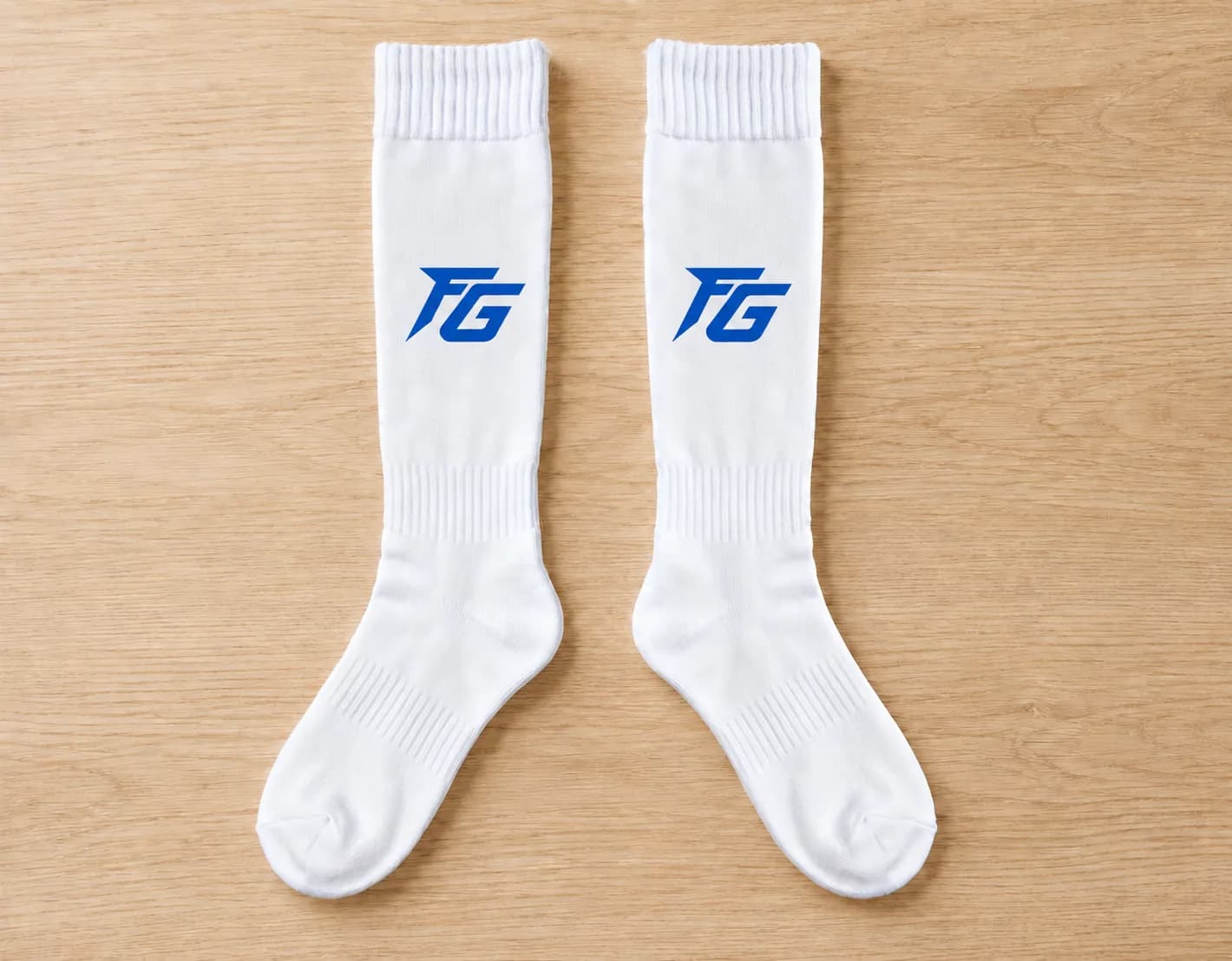
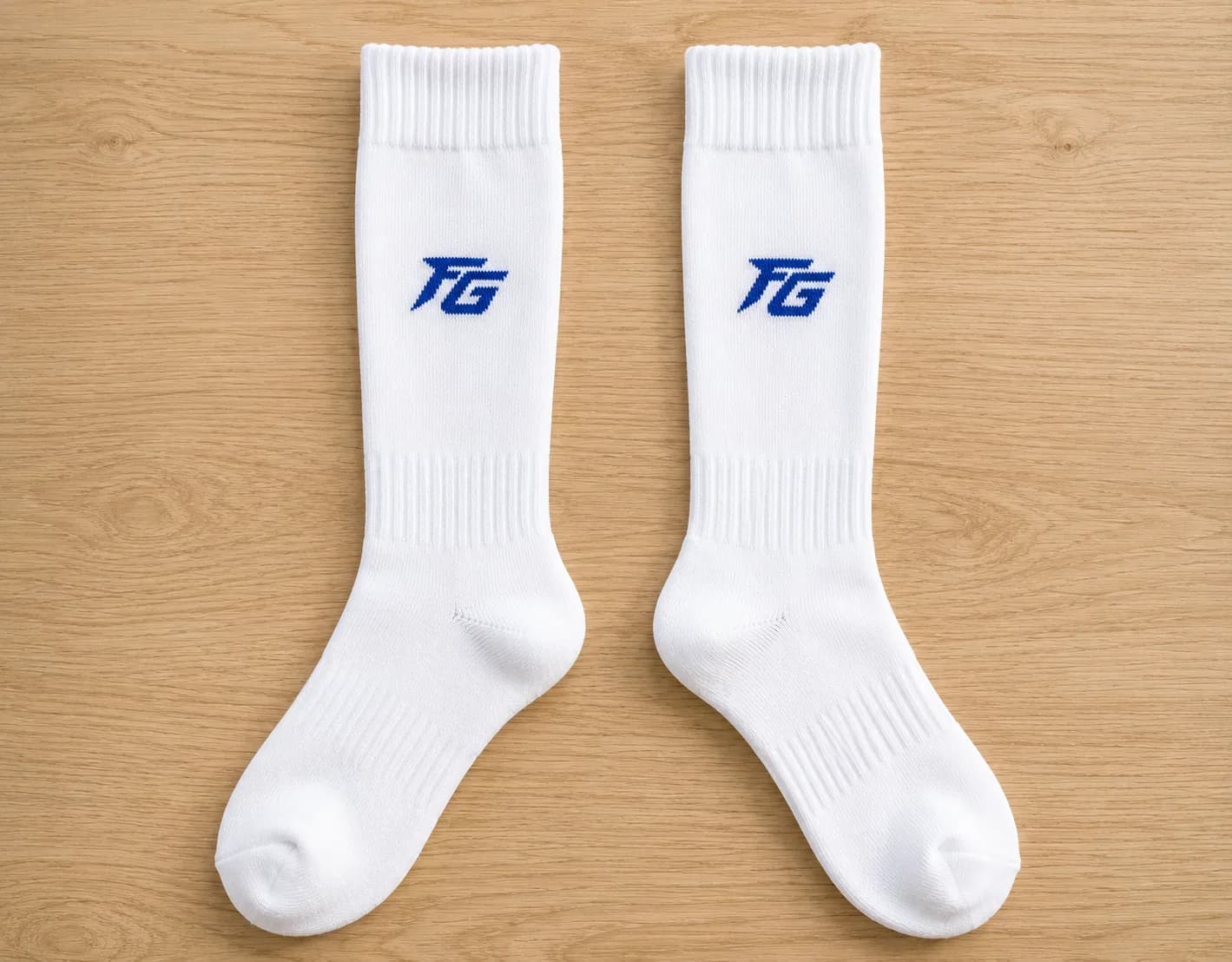
One of the biggest variables in custom socks lead time is the number of sample revisions.
Some projects are approved after the first sample.
Others may require several rounds.
For example, a brand may decide to:
- Increase compression
- Change the sock height
- Adjust the logo size
- Change yarn composition
- Modify cushioning
- Add or remove mesh panels
- Change the silicone grip pattern
- Adjust sizing
- Develop new packaging
Each major revision can require another physical sample.
This does not mean multiple samples are a problem. For technical products, additional development can help create a better final product.
However, brands should include revision time when planning a product launch.
How to reduce unnecessary sample rounds
Before sampling begins:
- Confirm your target customer.
- Choose the sock category and construction.
- Send final logo artwork.
- Confirm colors.
- Confirm sizing.
- Decide which features are essential.
- Separate “must-have” features from optional ideas.
It is usually faster to develop one clear product direction than to test several completely different concepts at the same time.
4. Final Sample Approval Comes Before Bulk Production
Once the sample is approved, the manufacturer can lock the final specifications.
This may include:
- Yarn composition
- Yarn colors
- Sock measurements
- Logo method
- Logo position
- Needle or knitting construction
- Cushioning
- Compression
- Grip design
- Size breakdown
- Quantity by color
- Quantity by size
- Labels
- Packaging
- Carton requirements
This stage is critical.
Once bulk manufacturing begins, changing the specification can become expensive, impractical, or impossible.
Brands should therefore avoid approving a sample simply to save a few days.
A small delay before production is usually better than discovering a major problem after thousands of pairs have already been manufactured.
5. Bulk Custom Sock Production: Around 20–30 Days
After the sample and final specifications are approved, the order can move into bulk production.
For many private label sock projects, PeakMotion uses approximately 20–30 days as a practical production planning range, although the exact schedule depends on the product and order.
Custom sports socks with more complex specifications may require additional production time.
Bulk manufacturing typically includes several processes.
Yarn and Material Preparation
The required yarns and colors are prepared according to the approved specification.
Special yarns or uncommon colors may require additional sourcing time.
Knitting
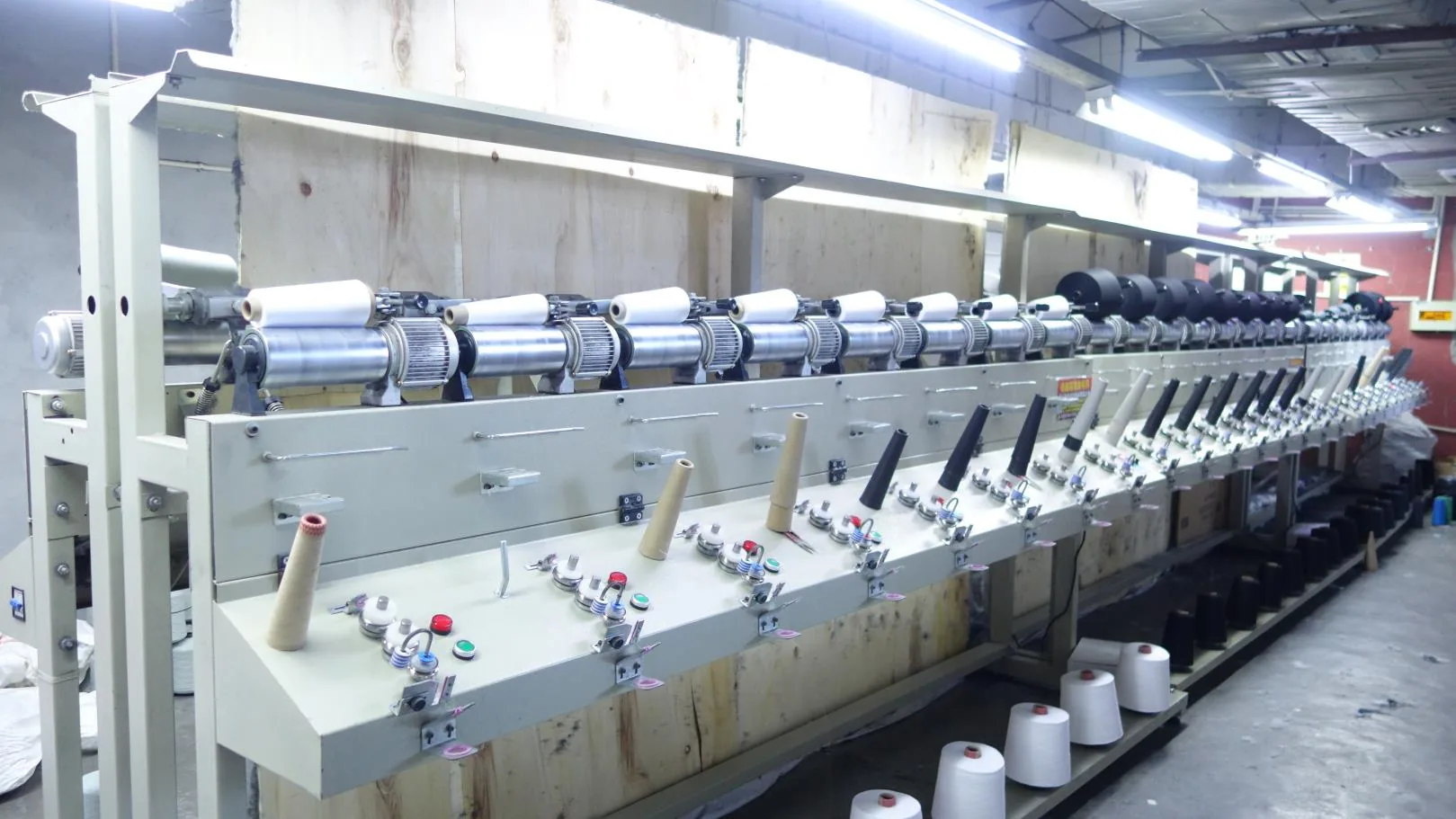
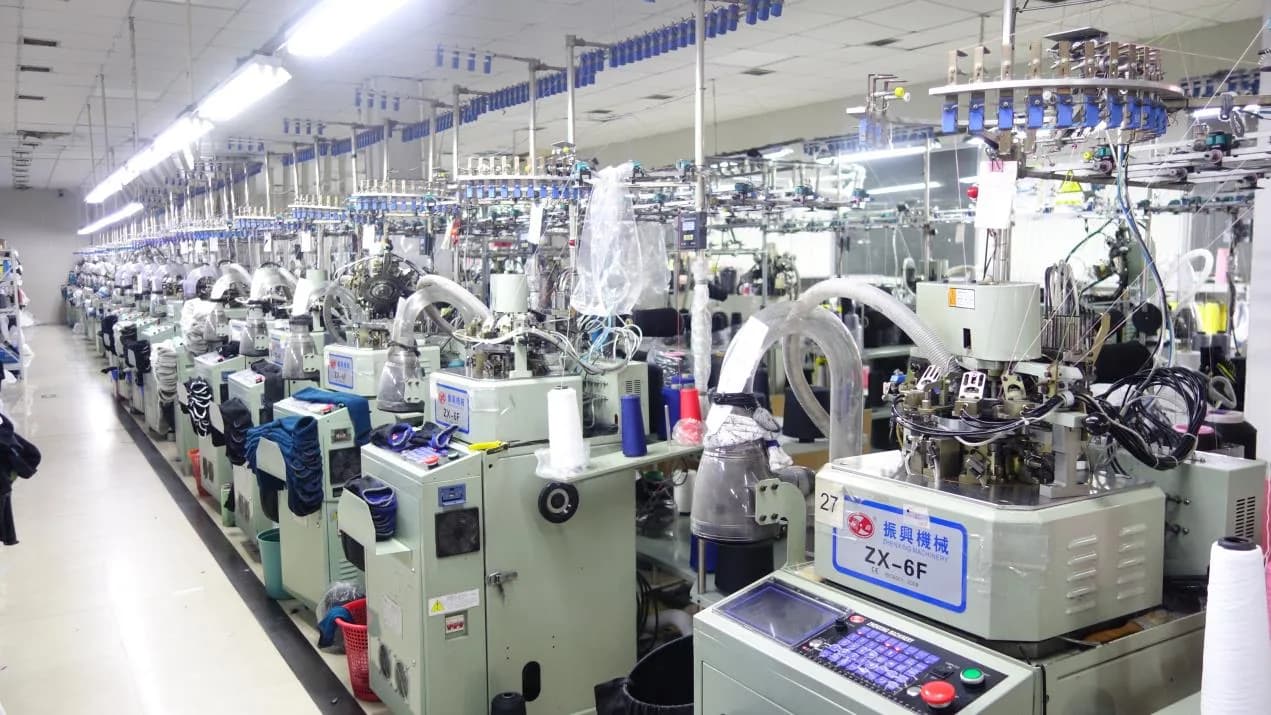
Computerized knitting machines produce the sock body according to the approved program.
Production capacity depends on the construction, machine type, quantity, and current factory schedule.
Toe Linking and Finishing
The socks move through finishing processes to complete the construction and improve consistency.
Grip Application
For custom grip socks, silicone patterns may be applied after knitting.
Grip coverage, artwork complexity, number of colors, and curing requirements can all affect production time.
Boarding and Shape Setting
Socks may be boarded or heat-set to achieve the required shape and presentation.
Quality Inspection
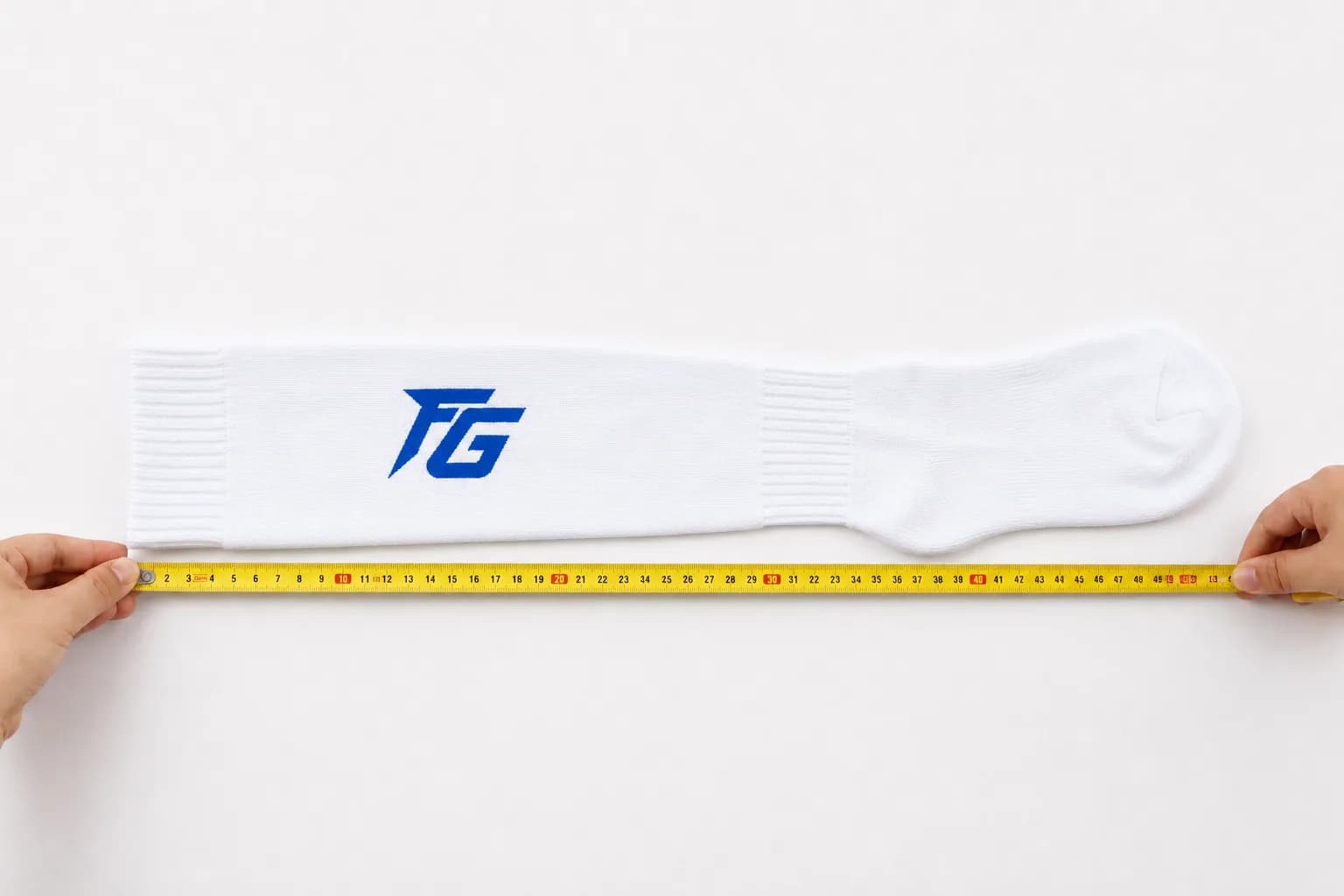
Finished products are checked against the approved specifications.
Typical checks may include:
- Size
- Construction
- Color
- Logo
- Pair matching
- Stitching
- Grip application
- Finishing
- Packaging
Packing
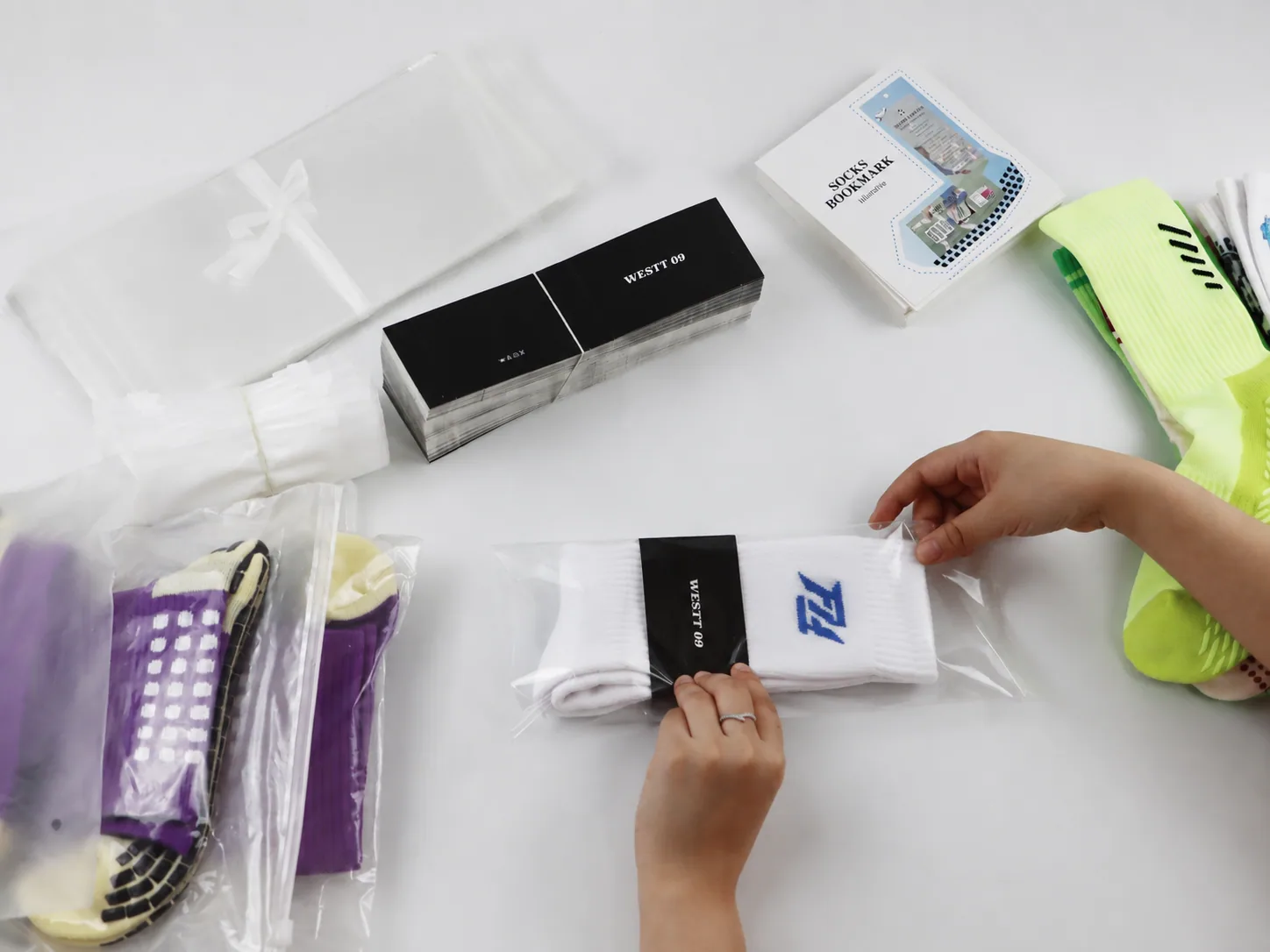
After inspection, the socks are paired and packed according to the order requirements.
This may include:
- Basic poly bags
- Custom header cards
- Paper bands
- Hang tags
- Barcode labels
- Retail boxes
- Size stickers
- Carton marks
Custom packaging should be discussed early because packaging development can become its own production timeline.
6. What Affects Custom Socks Lead Time?
Not every custom sock order takes the same amount of time.
Here are some of the main variables.
Order Quantity
A 100-pair trial order and a 10,000-pair production run require different machine time, material preparation, inspection, and packing.
Larger volume generally requires more production planning.
Number of Designs
Ordering 1,000 pairs of one design is different from ordering 1,000 pairs divided across ten designs.
Every additional design, colorway, or size combination can add production complexity.
Sock Construction
A relatively simple casual sock normally has fewer production requirements than a technical sports sock with:
- Compression zones
- Performance yarns
- Terry cushioning
- Mesh ventilation
- Arch support
- Reinforced areas
- Custom silicone grip
Materials
Standard yarns are usually easier to schedule than special or custom-developed materials.
If a specific yarn must be sourced before production begins, material availability can affect lead time.
Logo Method
Different branding methods involve different processes.
These may include:
- Jacquard knitted logos
- Embroidery
- Printed logos
- Silicone logos or grip patterns
- Custom labels
Packaging
Standard packing is usually faster.
Retail-ready packaging may involve separate printing, sampling, barcode confirmation, labeling, and assembly.
Sample Revisions
Every significant design change before approval can add time.
This is one reason early specification planning matters so much.
Factory Production Schedule
Lead time can also change during busy manufacturing periods.
If you have a fixed launch, tournament, trade show, marathon, studio opening, or retail delivery date, tell your supplier as early as possible.
7. Does Shipping Count as Production Lead Time?
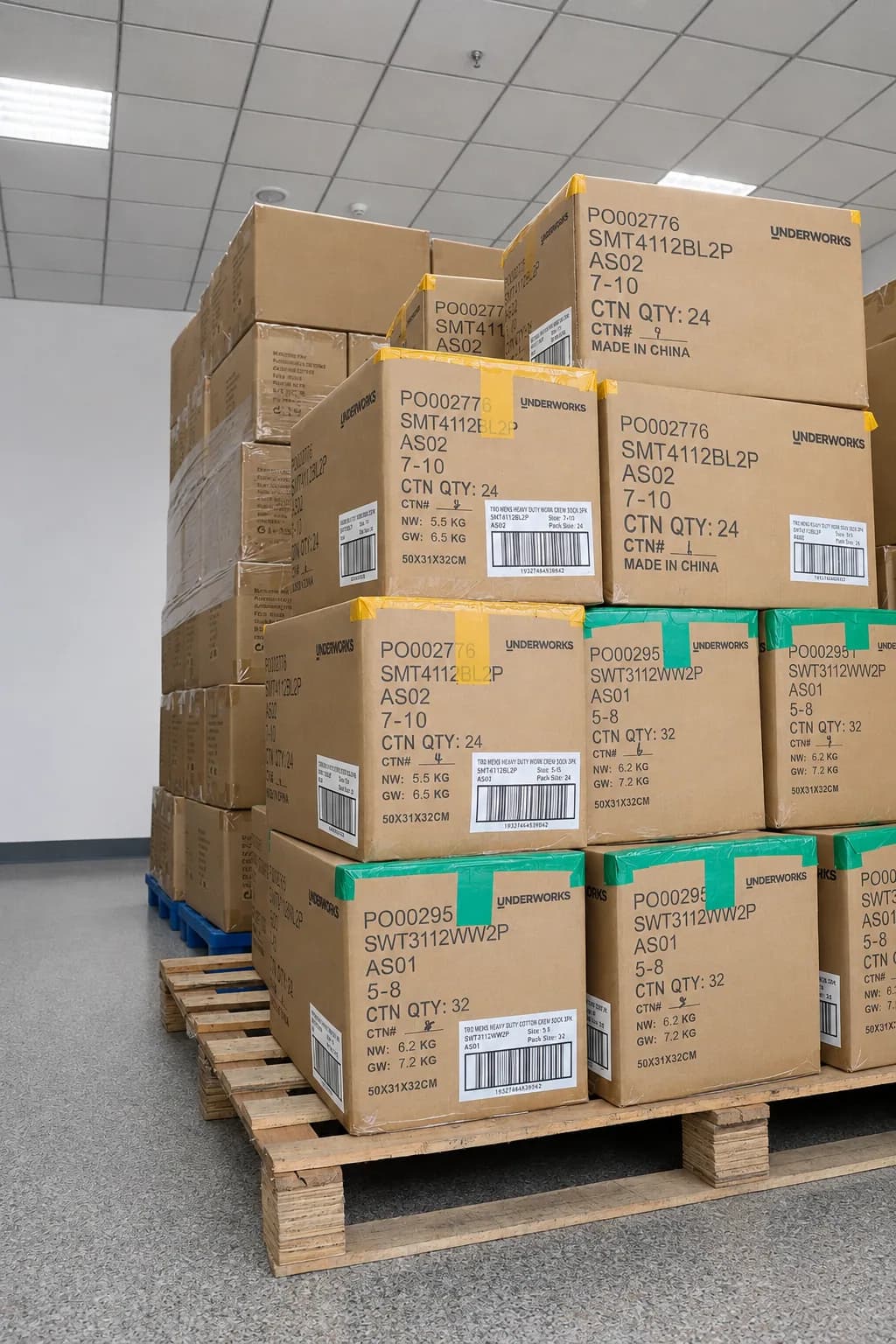
Usually, it is better to separate manufacturing lead time from shipping time.
Production lead time covers the period required to manufacture and prepare the order.
Transit time begins after the finished goods are dispatched.
Custom socks can generally be shipped using:
- Express courier
- Air freight
- Sea freight
- Customer-appointed freight forwarder
The best option depends on:
- Order size
- Carton volume
- Destination
- Required delivery date
- Freight budget
For urgent launches, air or express shipping may reduce transit time but increase cost.
For larger planned orders, sea freight may provide better economics but requires more advance planning.
Your purchasing schedule should therefore work backwards from the required arrival date, not only the factory completion date.
8. How to Plan a Custom Sock Launch Without Delays
If you are preparing a new collection, avoid placing the order at the last possible moment.
A safer approach is to work backwards.
For example:
Target retail launch ↓ Allow time for warehouse receiving and photography ↓ Allow shipping time ↓ Allow bulk production time ↓ Allow sample approval and possible revisions ↓ Start product development
This gives your team room to make decisions without forcing every stage into an urgent timeline.
For a new product, it is particularly useful to allow time for at least one revision instead of assuming the first physical sample will be perfect.
9. How to Shorten Your Custom Socks Lead Time
Factories cannot eliminate every production step, but buyers can remove many avoidable delays.
Send Complete Artwork
Vector files such as AI, EPS, or editable PDF artwork are easier to work with than screenshots or low-resolution images.
Confirm Colors Early
Provide Pantone references or clear physical color standards when color accuracy is important.
Limit Late Design Changes
Make key product decisions before the first sample.
Confirm Quantity and Size Split
Knowing the expected quantity by design, color, and size allows the factory to plan production more accurately.
Develop Packaging at the Same Time
Do not wait until the socks are finished before starting header cards, labels, or retail boxes.
Product and packaging development can often progress in parallel.
Approve Samples Quickly
If your team needs several people to approve the product, organize that process before the sample arrives.
A sample sitting in an office for two weeks adds two weeks to the project.
Share Your Required Delivery Date
Do not simply ask:
“How fast can you make this?”
Instead, tell the supplier:
“We need the finished goods in our warehouse before this date.”
A reliable manufacturer can then help you judge whether the project schedule is realistic.
10. First Orders vs Repeat Orders
Repeat orders can often be easier to plan than first-time custom development.
Why?
Because the core specification has already been approved.
For a repeat production run, the manufacturer may already have:
- Knitting programs
- Yarn references
- Logo artwork
- Measurements
- Grip artwork
- Packaging files
- Packing instructions
However, you should still confirm material availability, production capacity, packaging stock, quantity, and delivery requirements before relying on the previous schedule.
If the product sells consistently, it is better to create a reorder plan rather than waiting until inventory is almost gone.
Frequently Asked Questions
How long does it take to make custom socks?
A custom sock project normally includes design confirmation, sampling, approval, bulk production, inspection, packing, and shipping. At PeakMotion, physical sampling is generally planned around 7–15 days, while many bulk orders require approximately 20–30 days after the specification is approved. Complex projects may take longer.
How long does custom sock sampling take?
Custom sock sampling normally takes around 7–15 days after the artwork and main specifications are confirmed. The exact timeline depends on the sock construction, materials, logo, grip design, and other custom details.
When does bulk production start?
Bulk production normally starts after the physical sample, colors, sizing, logo, construction, quantity, and packaging requirements have been approved.
Can custom sock production be rushed?
Sometimes production schedules can be optimized, but rush feasibility depends on the sock specification, yarn availability, quantity, packaging, and current production capacity. Tell the manufacturer your required delivery date before confirming the order.
What causes custom sock production delays?
Common causes include incomplete artwork, material changes, multiple sample revisions, late packaging decisions, unclear size breakdowns, special yarn sourcing, and delayed sample approval.
Are repeat orders faster?
They can be easier to schedule because the product specification has already been developed, but actual lead time still depends on materials, quantity, packaging, and factory capacity.
Plan Your Custom Sock Production Before You Place the Order
A reliable custom socks lead time is not created by rushing the factory at the end of the project.
It starts with a clear brief, realistic sampling schedule, fast approvals, and a production plan that accounts for both manufacturing and shipping.
For brands launching their first collection, the best approach is to confirm the product specification carefully during sampling and then allow enough time for controlled bulk production.
PeakMotion supports sports brands, teams, studios, retailers, and distributors through product development, sampling, bulk manufacturing, quality control, private labeling, and retail-ready packaging.
If you are preparing a new sock collection, share your:
- Sock category
- Reference images
- Logo
- Target market
- Expected quantity
- Size range
- Packaging requirements
- Required delivery date
We can then recommend a practical sampling and production route for your project.